

 English
 Deutsch
 Arabic

 RealStone
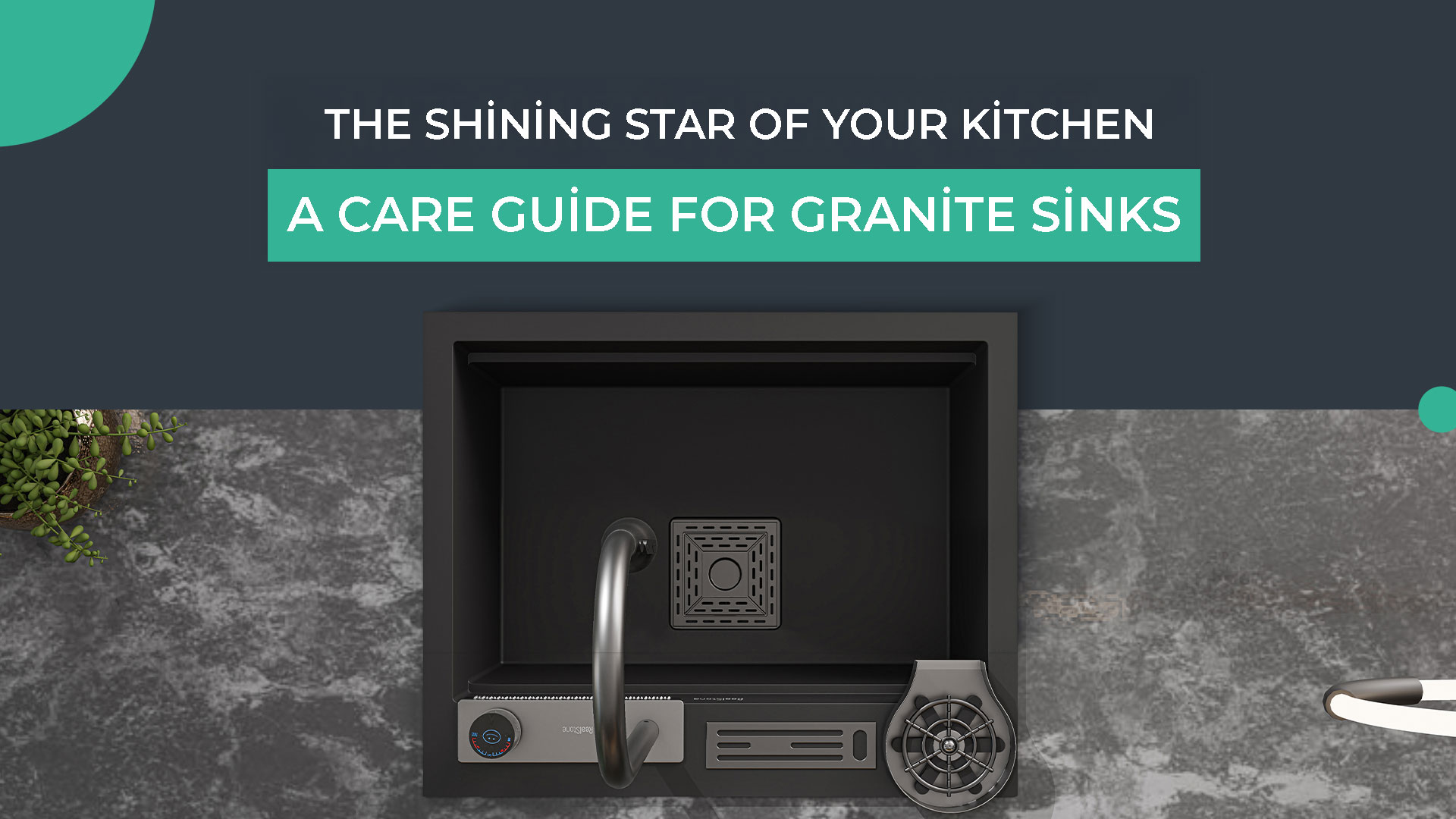
The Shining Star of Your Kitchen: A Care Guide for Granite Sinks
Things to Pay Attention to with Granite Sinks:
Do not step on the drainer area of your sink. It may break under heavy impact.
During the installation of granite sinks, make sure to fasten the mounting clips starting from the center clip. This ensures the sink is installed in the most secure and proper way.
Please handle the shipment and installation of your granite sink with care. Improper installation without attention may result in product damage.
After each cleaning of your granite sink, be sure to rinse thoroughly with plenty of water and wipe it with a damp cloth to completely remove any cleaning agent residue. Always finish the process by drying the product. In regions with high water hardness, you can use a limescale remover spray to prevent limescale buildup or to remove existing stains.
The faucet hole should be drilled after placing the sink onto the countertop. For routine cleaning of your granite sink, use water or dishwashing detergent with a soft cloth or sponge. Periodically apply a limescale remover spray. Spray it onto the sink surface, let it sit for a while, then clean with circular motions using a cloth or sponge. Rinse thoroughly with water and dry completely.
If you follow these guidelines during installation and usage, your granite sink will serve you well for many years.
Daily Use:
For daily cleaning of your sink, you can use soapy water, ammonia-based cleaners, or cream detergents with a damp cloth or soft sponge. To maintain the natural appearance of the product and ensure regular care, apply liquid or cream detergent in circular motions across the entire surface a few times a month, then wipe with a damp cloth. After cleaning, it is recommended to polish your sink with a dry cloth.
Heat – Hot Contact:
Your sink is resistant to high temperatures (up to 180°C). However, materials with intense heat such as hot oil or pots recently removed from the stove should not be placed directly on the sink. It is recommended to use a heat-resistant mat for such kitchenware.
Scratch Resistance:
Your sink is highly resistant to scratches. However, avoid direct contact with sharp kitchen tools such as forks and knives. Do not cut or chop food directly on the sink—always use a cutting board.
Chemical Contact:
Keep your sink away from solvents and strong chemical cleaners, as these can shorten its lifespan. The use of bleach does not pose any harm. Avoid abrasive cleaning tools such as wire brushes, scouring pads, or sandpaper. For cleaning, use a soft cloth and a liquid or cream detergent. Use a paper towel or microfiber cloth for drying.
UV-Resistant Surface:
A special coating protects the surface from damage caused by ultraviolet rays from the sun
.Antibacterial Surface:
Special surface coating that prevents bacteria from settling and thriving. Following the guidelines mentioned above with care will help extend the lifespan of your sink.
News
RealStone